
BANGLADESH
In Bangladesh we work with our partner organisation, Mukti Cox’s Bazar to provide education for over 9,000 Rohingya refugee and slum dwelling children living in and around Kutupalong refugee camp, Bhasan Char Island, Cox’s Bazar and the Doharazi Enclaves.
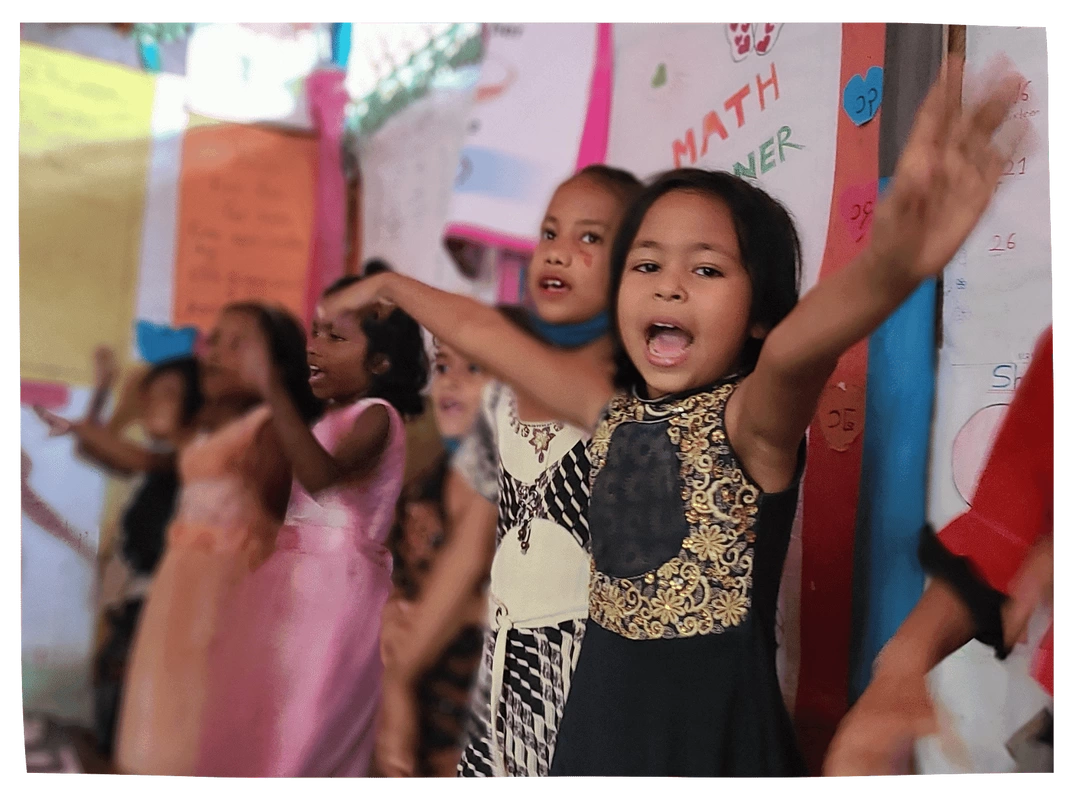
EDUCATION FOR ROHINGYA REFUGEE CHILDREN IN KUTUPALONGKutupalong is the world’s largest refugee camp, where hundreds of thousands of Rohingya refugee children are cut off from education in the border camps of Bangladesh. Here we support 50 Learning Centres, offering education for around 5,000 Rohingya refugee children. |
|
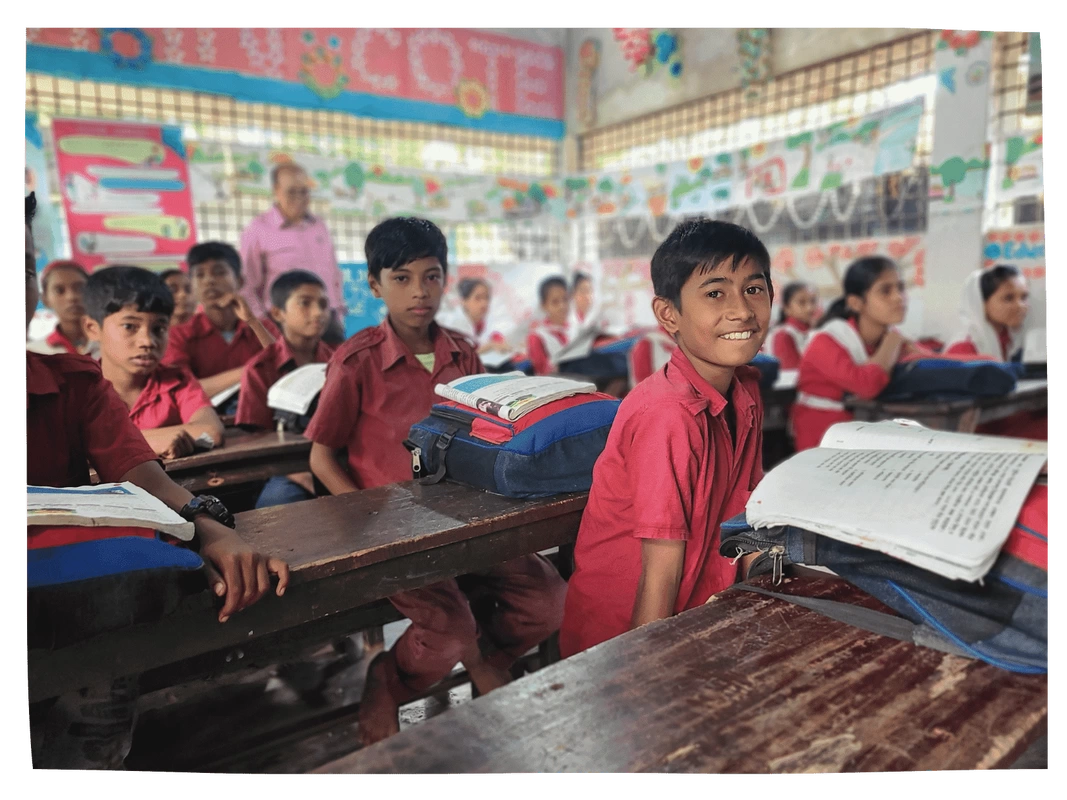
EDUCATION FOR SLUM DWELLING CHILDREN IN COX’S BAZAR & DOHARAZI ENCLAVESIn the slums of Cox’s Bazar, Bangladesh families face extreme poverty, forcing many children to work and miss out on going to school. In the Doharazi Enclaves, Rohingya refugees who have moved further inland from the crowded border camps are cut off from education. We support Community Schools in both these areas offering education for 1,700 children. |
|
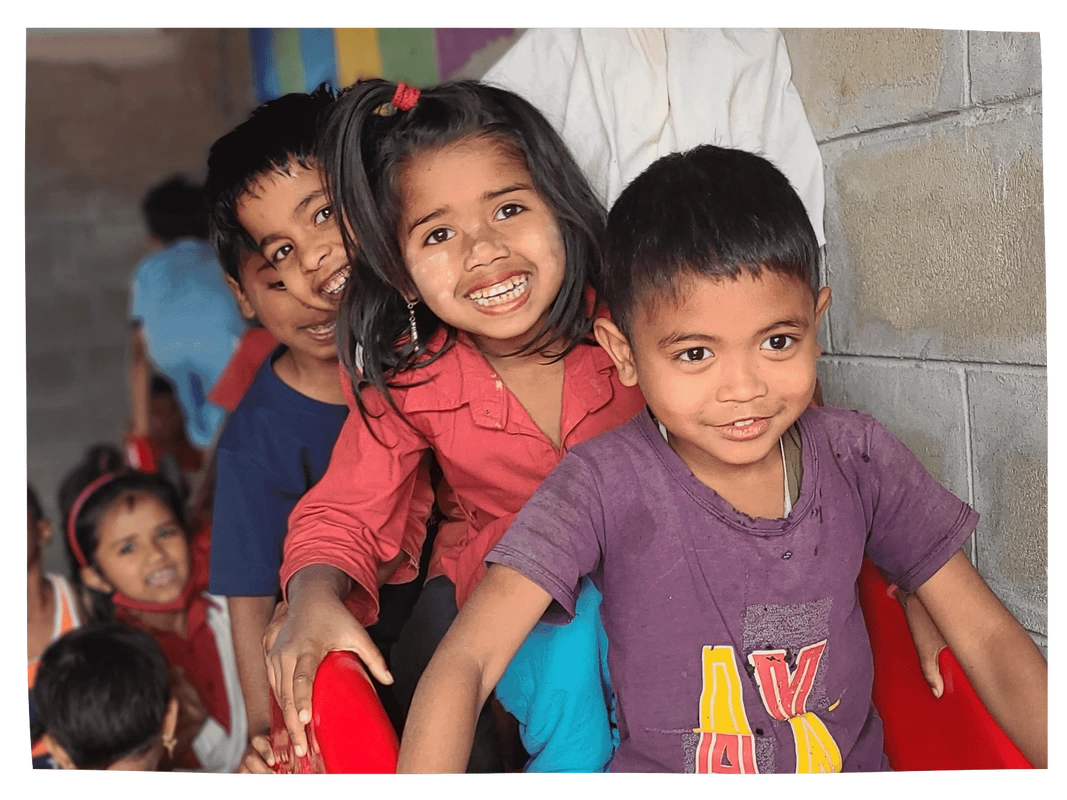
EDUCATION FOR ROHINGYA REFUGEE CHILDREN ON BHASAN CHAR ISLANDTo ease the huge congestion in the crowded Kutupalong refugee camp in Cox's Bazar, the Bangladeshi government has been relocating tens of thousands of Rohingya refugees to Bhasan Char island in the Bay of Bengal where there is a lack of learning facilities. We have set up 24 classrooms for 1,300 refugee children offering high quality primary education. |
|
YOU MIGHT LIKE
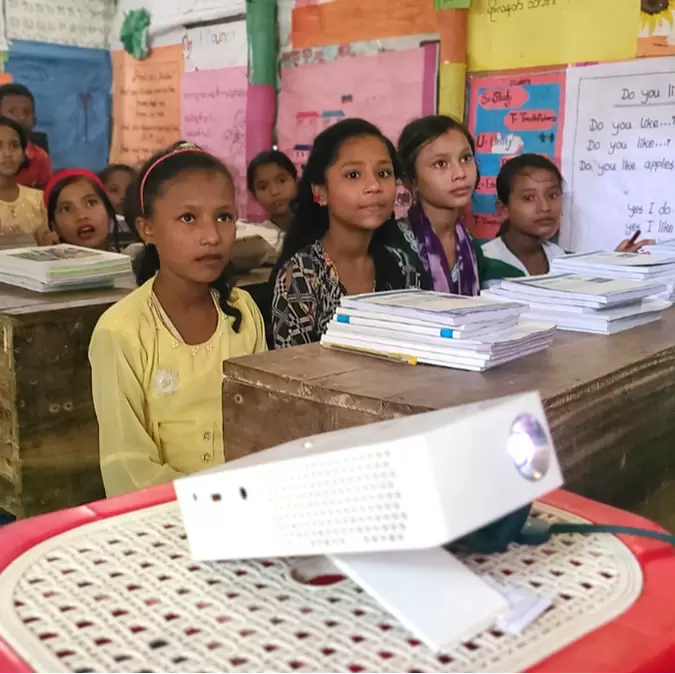
READ HOW WE'RE TACKLING LANGUAGE BARRIERS FOR ROHINGYA REFUGEE CHILDREN
|
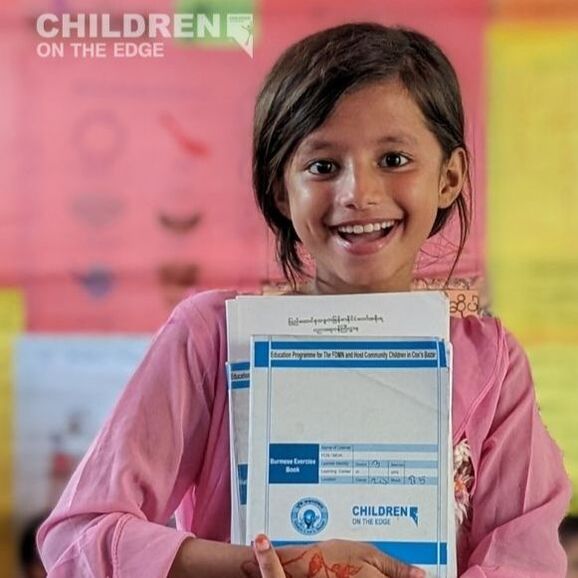
READ ABOUT OUR LATEST AWARD WIN FOR OUR DIGITAL EDUCATION PROGRAMME IN BANGLADESH
|
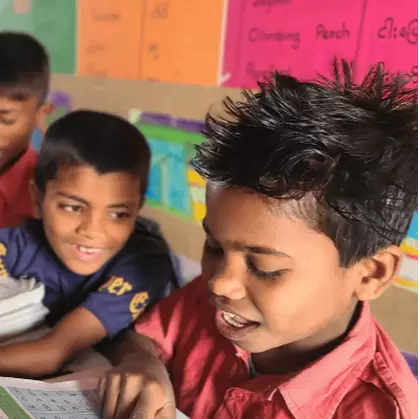
READ HOW WE'RE REACHING MORE CHILDREN WITH EDUCATION ON BHASAN CHAR ISLAND
|