Moldova: Supporting Children in Rural Communities
The issue:Children without adequate care
Moldova is one of the poorest countries in Europe and has high unemployment, especially in rural areas. At least 600,000 Moldovans out of a total population of 4.3 million have migrated abroad to find employment. For the rural population, migration is perceived as the only survival strategy. In some villages, more than half of the population has migrated. As a result, nearly a third of all Moldovan children grow up without the care of one or both parents. Many of these children are left in the care of elderly parents who cannot adequately protect them. Other children live in child headed households. More than 14,000 children are in institutions, deprived of family care. Alcohol abuse is quite common as some Moldovans see little hope for their own, or their family’s future. Many poor families have difficulty paying for school and do not see their children’s education translating into better jobs. Moldova is one of the main countries of origin of victims of trafficking in Europe. Trafficking is a key issue for young people. Many adults and young people forced to migrate in search of work are unknowingly trafficked. Those trafficked are mainly women of between 18 and 24 years of age. Over 10 percent are under 18 years old, some as young as 12 years old. The majority of women and girls that are trafficked come from rural areas. 77 per cent of people trafficked from Moldova are sexually exploited. 7 per cent are trafficked to work in households, 5 per cent for begging and 15 per cent to work on construction sites. | What we do to help:Children living in poverty and without adequate care are at risk of abuse, violence, institutionalisation, trafficking and exploitation. To tackle this problem we have further developed our Child Friendly Space model in rural Moldova where the dangers are most evident.
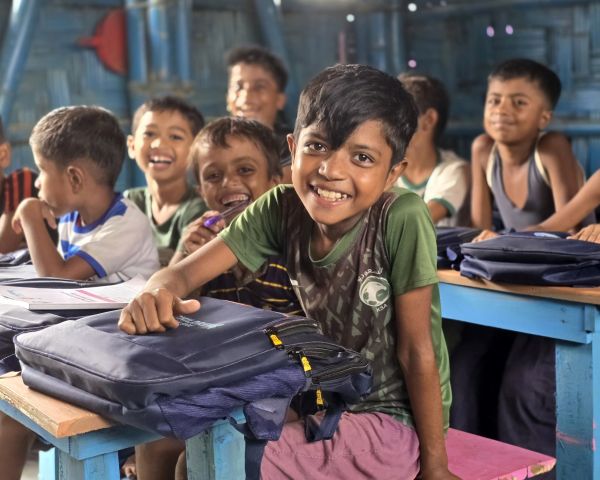
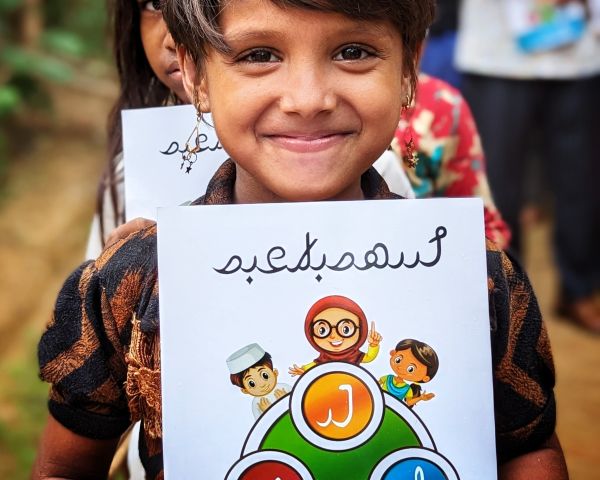
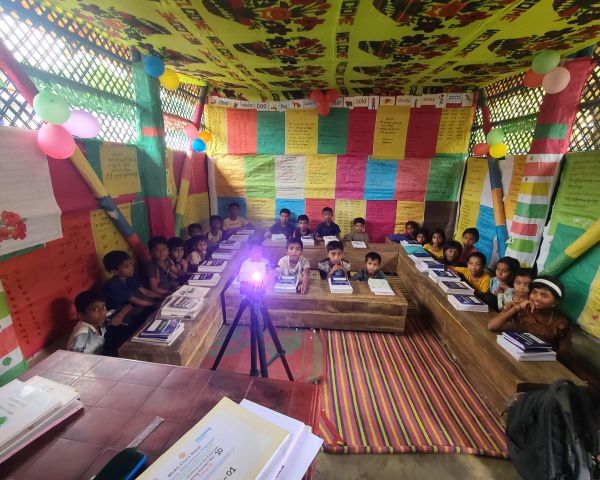
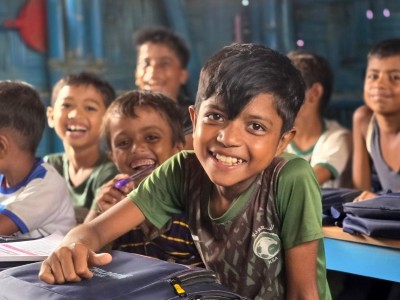
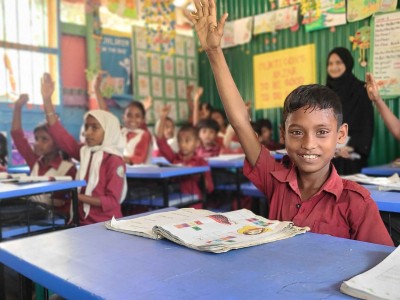
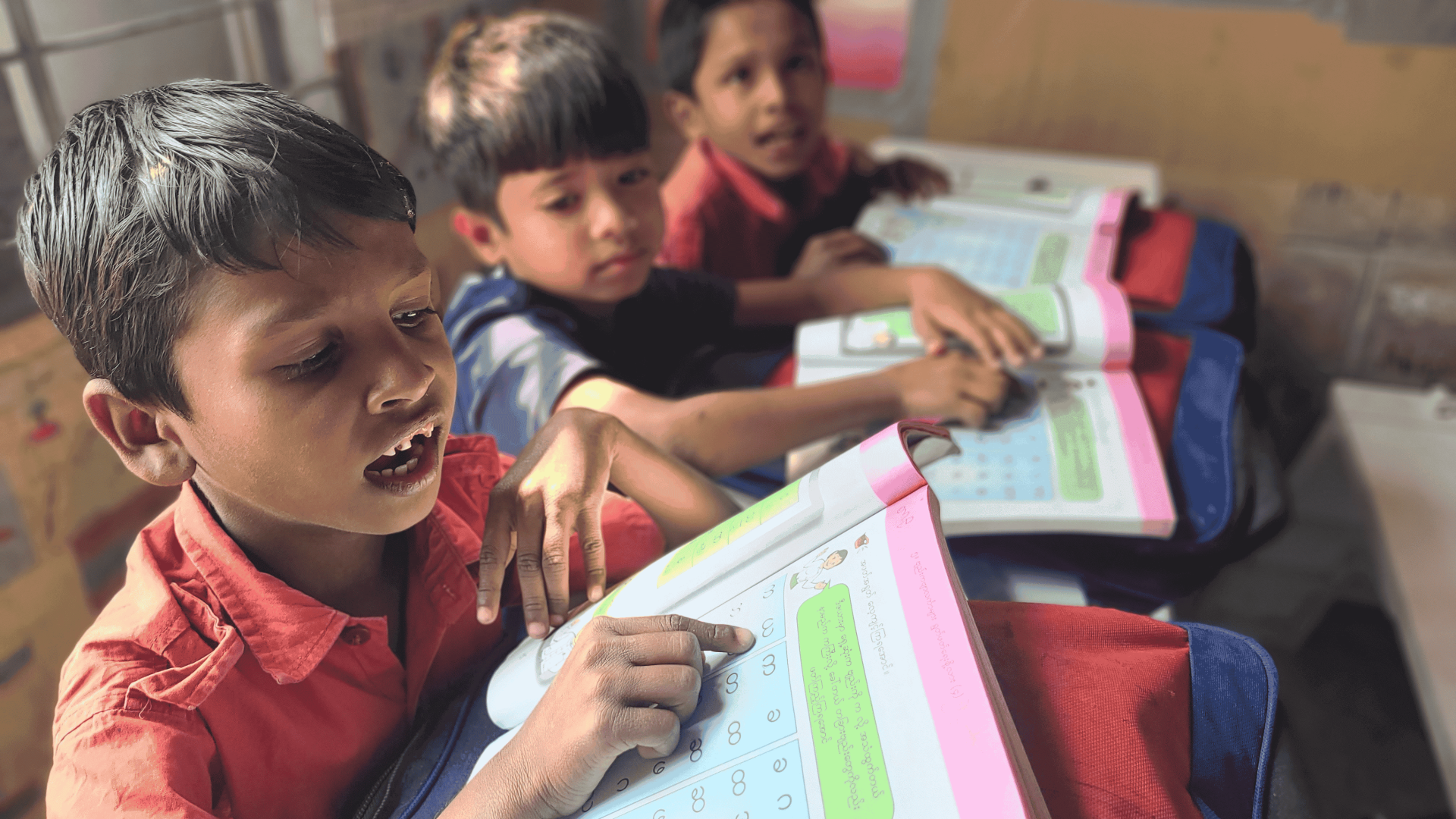
The Child Friendly Space in Moldova consists of a converted house and area of land that acts as a centre for activities in the village.This ‘centre’ serves over 200 vulnerable children of all ages and aims to protect and support these children as well as building community relations. Activities at the centre include: After schools lessons and homework clubs, computer lessons and free play sessions including arts, crafts, games and sports. The most vulnerable of the community also receive a daily nutritious meal. Children who have dropped out of school receive the necessary support to help them return to education. These children and their families also benefit from specialist support from social workers and psychologists. Vocational training opportunities are available for young people as well as specialist training on the risks of human trafficking, and a range of other issues that affect the communities. |